Reference scale for annual inverter shipment planning, service staffing, and fleet analytics conversations.
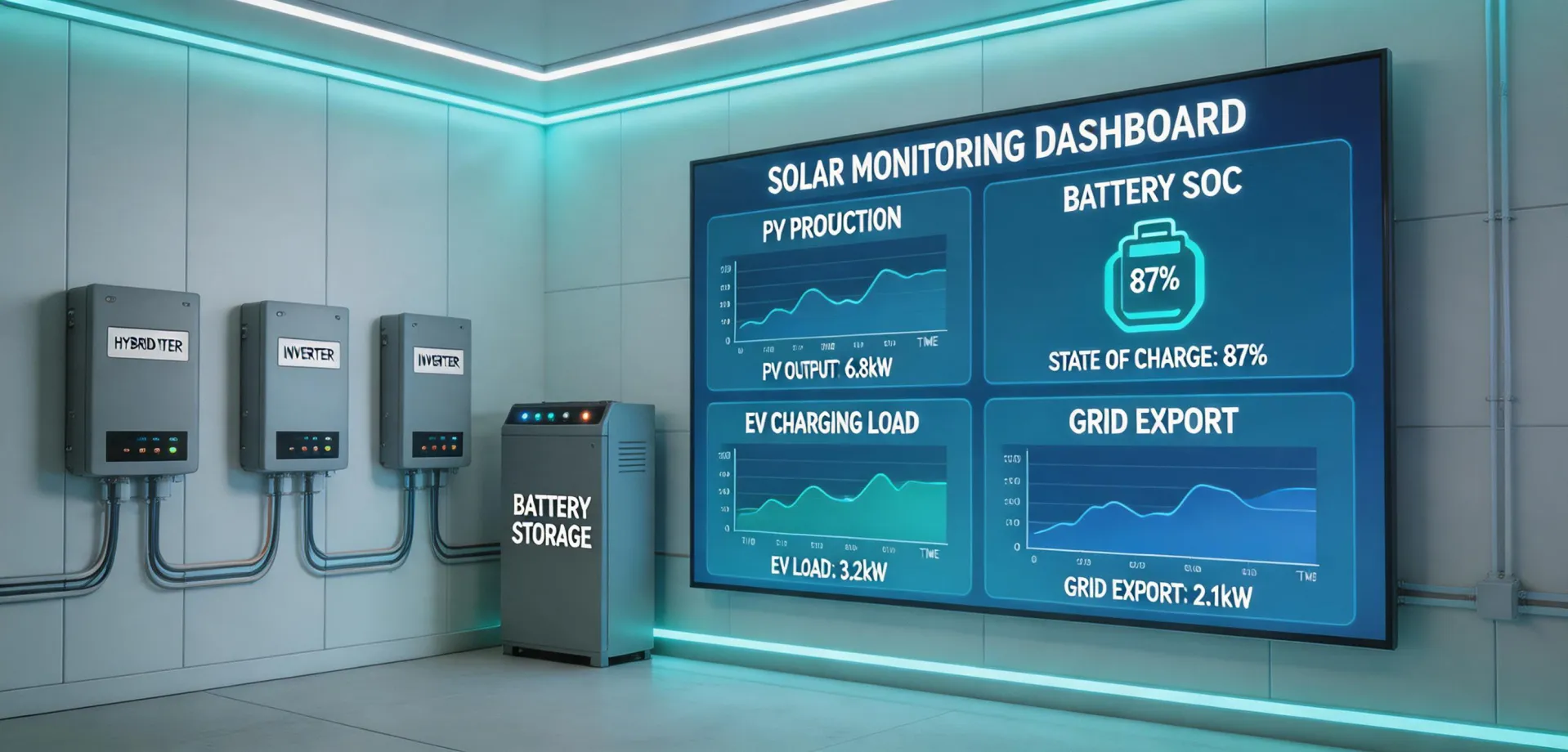
Solaredge helps EPCs, installers, fleet owners, and energy teams coordinate inverter selection, battery integration, EV charging loads, and monitoring data inside one project workflow.
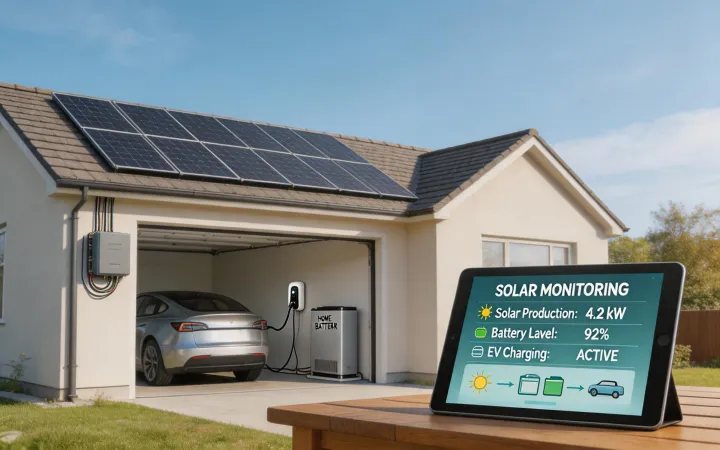
Reference scale for annual inverter shipment planning, service staffing, and fleet analytics conversations.
Monitoring workflows for alerts, production drift, battery dispatch, and inverter event triage.
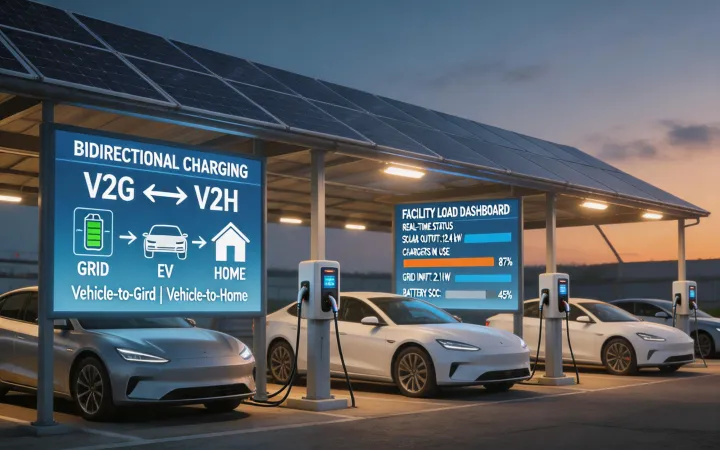
Readiness discussions for solar-aware EV charging, backup load control, and future bidirectional programs.
Compliance documentation families referenced across North American, European, and global projects.
Each selection path is documented with electrical limits, grid-code context, communications requirements, and installation constraints so project teams can reduce redesign cycles.
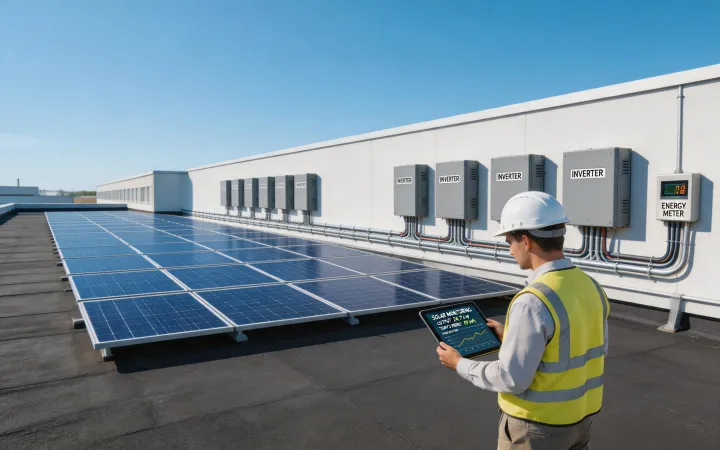
String inverter and optimizer planning begins with voltage ranges, conductor runs, module counts, and shade behavior so designs can remain stable across seasonal temperature swings.
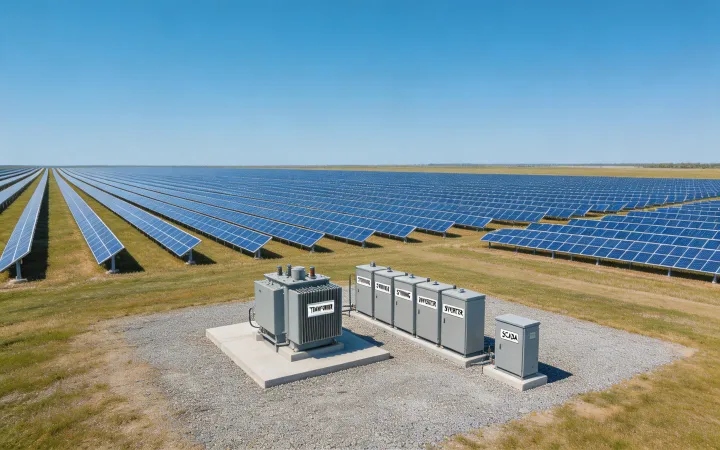
Commercial and utility interconnections need attention to THD, protection coordination, transformer loading, and grid-support functions before equipment is locked into the bill of materials.
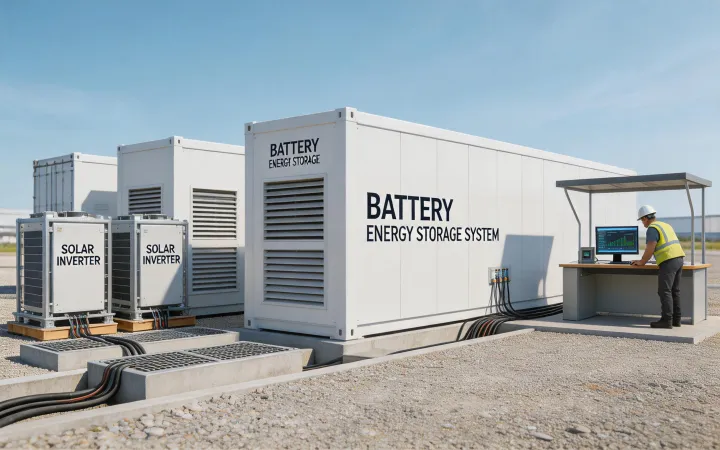
Storage sizing considers usable kWh, round-trip efficiency, reserve limits, backup circuits, tariff windows, and cycle-life expectations rather than a single nameplate capacity number.
Remote firmware workflows, alarm alerts, production curves, and fleet exports help installers and asset managers compare expected output with real field behavior.
Homeowners and installers need quiet equipment, clear backup circuits, reliable monitoring, and battery settings that match utility tariffs. Solaredge planning materials connect module-level electronics, home battery reserve settings, EV charging behavior, and installer support into one homeowner-ready package.
Typical challenges include roof shade, main-panel limits, backup load selection, permit documentation, and homeowner expectations around savings. The equipment discussion covers hybrid inverters, power optimizers, home batteries, revenue-grade metering, and app-based visibility.
C&I projects need electrical coordination between PV, load profiles, demand charges, fire setbacks, production guarantees, and service access. The Solaredge workflow keeps design assumptions visible to facility teams and procurement groups.
Developers evaluate inverter blocks, grid-support functions, O&M access, spare strategy, and data exports across multiple sites. Documentation discipline matters as much as hardware selection when portfolios expand.
Storage projects require usable capacity, reserve settings, thermal limits, inverter compatibility, and safety documentation. The conversation stays anchored in cycle life, 90% DoD assumptions, and round-trip efficiency.
Charging programs add new load behavior to the building. Solaredge planning connects PV production, battery dispatch, circuit capacity, and charging windows so fleet managers can prepare for smarter vehicle energy use.
Early designs focused on extracting more useful data from each roof and each string.
Project teams combine generation, storage, charging, and monitoring in one operating model.
Installer portals, event alarms, and firmware planning reduce unnecessary truck rolls.
Aggregated assets can support tariff response, resilience programs, and flexible demand.
“The most valuable renewable energy platform is the one our electrical team, service desk, and asset managers can all understand without translating data between disconnected systems.”
Director of Distributed Energy, regional EPC and fleet operator
Share site capacity, utility context, preferred product categories, and timeline. Solaredge will help your team map the electrical and operational questions before procurement.