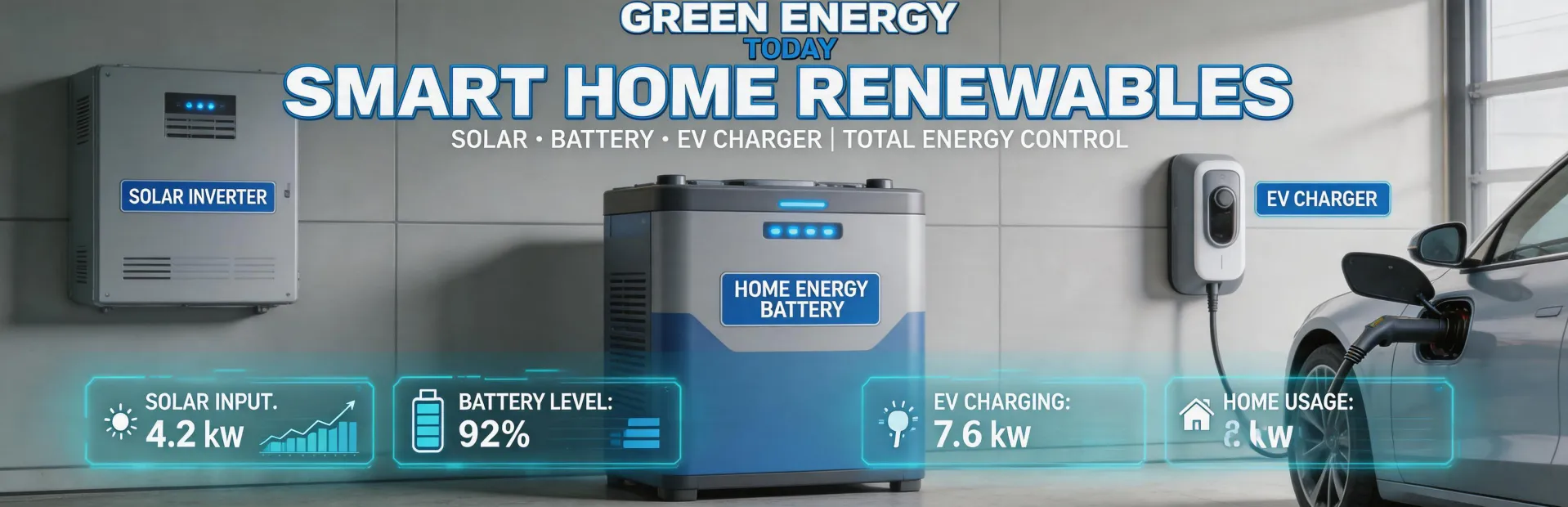
If you need a SolarEdge system deployed in under 72 hours, here’s the honest answer: it’s possible, but it’s going to cost you 30-50% more than standard. And you need to know exactly which parts to prioritize. I’ve coordinated over 200 rush jobs in the last 4 years, and the single biggest mistake I see? People focus on the inverter first. They’re wrong.
I still remember a call in March 2024. A client at a large commercial solar distributor (not naming names) needed a SolarEdge 5kW inverter and a full monitoring setup for a project that was supposed to have been finished two weeks prior. The penalty clause was $50,000. The normal turnaround for that kind of equipment is 7-10 business days. We had 36 hours. We pulled it off, but not because we rushed the inverter. We rushed the compatibility check for their existing power optimizers. That’s the hidden killer. Most buyers focus on unit pricing and completely miss that a mismatched optimizer setup can add a full day of troubleshooting—which you don’t have in an emergency.
Assess Your Bottleneck: Inverter vs. Battery vs. Everything Else
The very first thing you need to figure out in a rush order isn’t the price. It’s the bottleneck. Is it the inverter? The battery? The installation labor? Or the damn permitting? Based on my experience, here’s the breakdown.
1. The SolarEdge 5kW Inverter (The Most Common Rush Item)
As of early 2025, the SolarEdge 5kW inverter (model SE5000H-US, for example) has been fairly available from major distributors like Greentech Renewables or CED Greentech. If you’re a certified installer, you can usually find stock. The problem isn't getting the inverter; it's getting the right version. There are revisions for HD-Wave technology and standard variants. Ordering the wrong one (this was true 2 years ago, and I still see it happen) can set you back another 48 hours for a swap.
2. The Battery Energy Storage System (BESS) & Transformers
This is where things get genuinely tricky. Rushing a battery energy storage system (BESS) transformer is not like rushing a pizza. These are heavy, specialized components. I’ve seen an order for a medium-voltage BESS transformer get stuck for three days because the freight company refused to unload it without a certified forklift operator on site. The question everyone asks is, 'What’s the price and lead time?' The question they should ask is, 'What’s the lead time on the shipping, and who is responsible for the final mile logistics?'
For smaller backup systems (like the SolarEdge Home Battery), the bottleneck is often the battery interface. In my role coordinating services for emergency backup switches, I learned that keeping a pair of Energy Hub backup interfaces (BI-S) in your inventory is a lifesaver. You can’t rush the delivery of a battery if you don't have the interface to connect it to the inverter. (Note to self: I really should stock more of these).
3. Maryland EV Charger Installation (A Case Study)
I fielded a panicked call last quarter from a homeowner in Montgomery County, MD. They had a new EV and needed the Maryland EV charger installation done before a long road trip—four days away. They already had a SolarEdge system. The easy part? The SolarEdge EV charger (the SolarEdge EV charger unit itself) is actually pretty straightforward to install if you have the existing inverter and monitoring set up. The hard part? The county permit. Most DIY guides online say “permits take 2 weeks.” The reality, as of January 2025, is that Montgomery County has an online expedited permit path for licensed electricians that can be done in 48 hours. The cost for that rush permit is about $75-125, which is a steal compared to the $800 extra we paid in rush shipping to get the 60A breaker from a specialty supplier. The DIY crowd thinks the installation is the bottleneck; it’s almost always the paperwork.
The SolarEdge Apps: Your Lifeline in a Crisis
Another thing that separates a successful rush job from a nightmare? Knowing how to use the SolarEdge apps properly. Most installers use the 'SetApp' for commissioning. That’s fine for standard jobs. In an emergency, the 'Monitoring Platform' (the web app) is where you save time.
- Remote troubleshooting: Before sending a technician to a site (which costs $150-250 a visit in a rush scenario), use the monitoring platform to check the last communication from the inverter and optimizers. I’ve wasted 4 hours driving to a site only to find the comms cable was loose. The app could have told me that.
- Firmware updates: They take time. Don’t start them at 4 PM on a Friday. (Mental note: check the firmware version before promising a sunset activation).
- Mapping: The physical layout map feature in the monitoring app is underrated. When you’re on a roof with 20+ optimizers, having the map loaded saves 20 minutes of tracing cables. That’s 20 minutes you don’t have in a rush job.
Green vs. Clean Energy: The Comparison Nobody Talks About
I’m not going to pretend that SolarEdge is the only player. I’ve tested systems from Enphase (microinverters) and looked at Tesla Powerwall setups. The “EcoFlow vs Jackery solar generator” debate usually comes up when people start thinking about backup systems without a full install. Those are great for portable power, but they’re not a replacement for a grid-tied inverter system if you need whole-home backup. If you’re comparing a solar generator (like the EcoFlow Delta Pro or Jackery Explorer 3000 Pro) to a fixed SolarEdge backup solution for a home, you’re comparing apples and space stations. A solar generator is a battery you can move; a SolarEdge Home Battery is part of your house electrical system. The ‘EcoFlow vs Jackery’ choice is relevant for job sites or camping. It’s irrelevant for a permanent Maryland EV charger install. Most buyers focus on the portable power for emergency backup—they completely miss that a fixed battery system (like the SolarEdge) can automatically backfeed the house without you having to run extension cords.
Quick Reference: Real Rush Costs (As of Early 2025)
Here’s a breakdown of the extra costs I’ve seen personally. These are estimates, and they change—always verify.
Rush Premiums for Solar Components:
- Inverter (SE5000H): Base ~$1,200, Rush (2-day) ~$1,700 (+$500 shipping). A local pick-up can save the shipping but costs your time.
- Battery (Home Battery 10kWh): Base ~$4,500, Rush (3-day) ~$5,200. The transformer for larger BESS projects? That’s a separate nightmare quote.
- Labor (Emergency callout): $150-250 per hour with a 4-hour minimum, vs. $85-125 per hour booked a week out.
I still kick myself for the time I accepted a “standard” rate for a rush job on a BESS transformer. The vendor promised “expedited” shipping—it took 5 days. We were paying the penalty. Now, I have a specific clause in contracts: “Rush shipping means guaranteed delivery by [date], not just ‘priority handling.’” This came from experience. Our company lost a $12,000 contract in 2023 because we tried to save $300 on standard logistics instead of paying for guaranteed expedited delivery.
When NOT to Rush
This worked for us, but our situation was usually emergency retrofits or replacement for existing systems. If you’re designing a brand new 50kW BESS system with transformers from scratch, the rules are different. Rushing the design phase is the dumbest thing you can do. You’ll end up with an electrical mess. “Rush” only works when the path is clear. If you’re dealing with a completely new site, take the standard lead time.
Also, this advice applies to certified SolarEdge installers. If you are an end-user trying to self-install to save money, just stop. The warranty is void. The safety risk is huge. And the ‘EcoFlow vs Jackery’ debate is probably the fight you should be having right now, because plug-and-play is your only safe option.
The bottom line? If you need it fast, buy the inverter first, check the optimizer compatibility second, and expedite the permits third. Don’t cheap out on the logistics, and for the love of all that is holy, test the batteries before you leave the shop. Nothing is worse than installing a dead battery in a rush job.

Jane Smith
I’m Jane Smith, a senior content writer with over 15 years of experience in the packaging and printing industry. I specialize in writing about the latest trends, technologies, and best practices in packaging design, sustainability, and printing techniques. My goal is to help businesses understand complex printing processes and design solutions that enhance both product packaging and brand visibility.