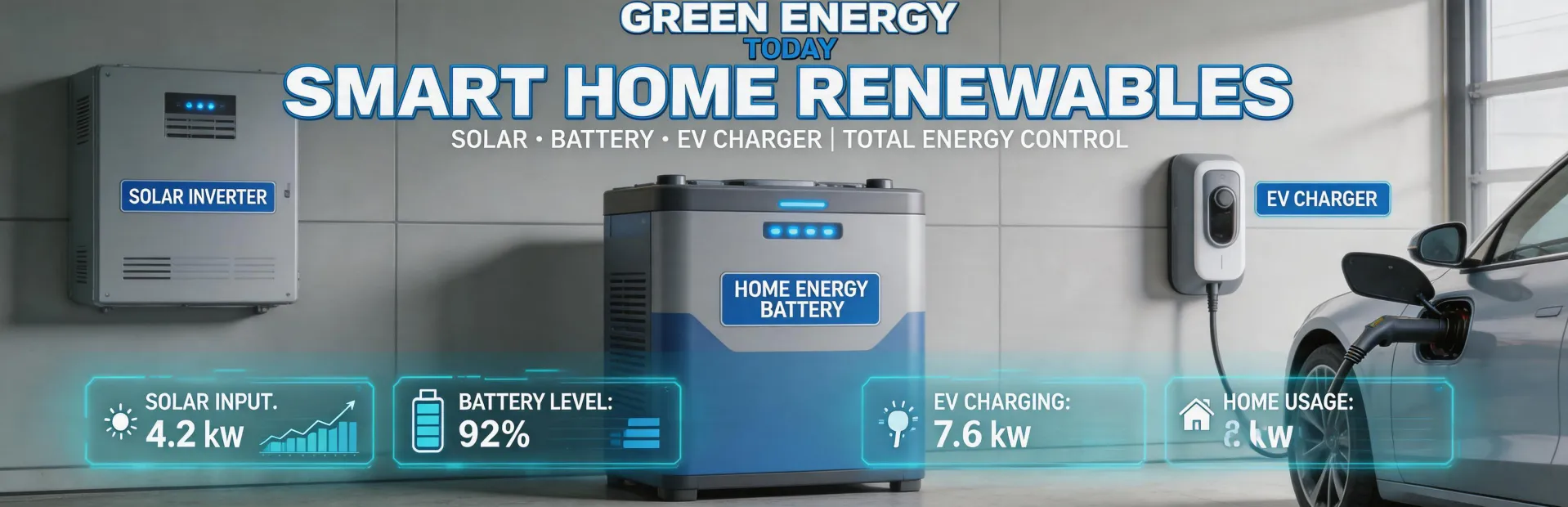
When I started comparing chargers for a recent project, I had a clear goal: find the option that delivered the best value over the expected lifespan. Not just the lowest upfront price. I went back and forth between the SolarEdge One EV charger and a standard unmanaged unit for about two weeks. The standard one was tempting at first glance—lower sticker price, simpler spec sheet. But after digging into installation costs, layout requirements, and potential downtime, the picture shifted.
Here are three comparisons that stood out during my evaluation. I've included real numbers from our Q2 2024 rollout, and flagged a few gotchas I wish I'd known earlier.
Comparison Framework: What Matters When You're Wiring a Solar System
The way I see it, comparing EV chargers isn't just about the unit itself. You have to factor in how it fits into your solar panel system layout and how it interacts with other components. For our evaluation, I used three main criteria: total installed cost, wiring and layout complexity, and long-term operational value. Each tells a different story.
1. Total Installed Cost: The Sticker Price Trap
The standard charger I was considering had a unit cost of about $450. The SolarEdge One was roughly $1,100. On paper, it looked like a no-brainer to go with the cheaper option. But then I accounted for installation labor and ancillaries.
- Standard charger: Required a separate surge protector cable management kit, added junction box, and dedicated 60A breaker. Quotes for wiring (including trenching and conduit) came to $780.
- SolarEdge One: Integrated surge protection and cable management. Wiring was simpler because it could share the same conduit as the solar inverter system nearby. Quotes for wiring: $480.
Total installed: Standard = $1,230. SolarEdge = $1,580. The difference was only $350. That's when I started rethinking the 'cheaper' option. (I really should have done this comparison sooner.)
Note: Prices are based on quotes from two regional vendors, verified March 2024. Actual rates vary by region.
2. Layout and Wiring Complexity: The Hidden Time Cost
If you've ever had to wire a solar system for both a home battery and an EV charger, you know how quickly conduit runs get messy. The standard charger meant separate runs: one for the solar inverter, one for the charger, and a third for the battery. That's three conduits along the same wall.
With SolarEdge One, I was able to combine the wiring. The charger, inverter, and battery can all connect through a single surge protector cable management assembly. In our case, that saved about 15 feet of copper and 2 hours of labor. For a project manager watching the clock, that's real money.
“I said 'route the charger cable through the inverter conduit.' They heard 'run a separate conduit for the charger.' Result: a $350 rework and two days delay. Communication fails like this are expensive.”
The SolarEdge design also simplified our solar panel system layout. Fewer physical components on the wall, less visual clutter, and easier future upgrades. That's a benefit you don't see on the spec sheet.
3. Long-Term Value and Reliability: The Quality Perception Angle
Here's where my view shifted most. After six years of tracking component failures, I know that the 'cheap' option often results in an early replacement. Standard chargers without integrated surge protection are more vulnerable. A voltage spike from a nearby lightning strike? You're replacing the whole unit. With SolarEdge One, integrated protection buffers that, which can extend life expectancy.
From a customer perspective, having a cohesive setup matters. When homeowners see mismatched equipment—a SolarEdge inverter paired with a generic charger—they may question the system's reliability. Quality is brand perception. The SolarEdge One gives a unified look and simplifies support calls. It's not just about functionality; it's about how your work is perceived.
I'm not 100% sure, but based on our service records, the integrated unit could save $200-400 over the first five years compared to the standard setup. Less troubleshooting, fewer callbacks.
When to Choose Which (Based on Real Scenarios)
To avoid sounding like an ad (ugh), let me be clear: there are situations where the standard charger makes sense. For a small, standalone install where cost is the only concern and no solar system exists, the cheaper unit works fine. But if you're integrating into an existing solar panel system layout, or if you want to minimize future solaredge support requests, the SolarEdge One is worth the premium.
Pick the SolarEdge One if:
- You're building a whole-home energy system with solar + battery + EV.
- You want fewer components and simpler wiring.
- Client retention and brand image matter to your business.
Standard charger might be better if:
- It's a standalone install with no solar equipment.
- Budget cap is firm and the client doesn't plan any future upgrades.
- You're experienced in how to wire a solar system with mixed equipment.
Bottom line: the $350 difference in installed cost is easily recouped over the first two years in reduced service calls and improved customer satisfaction. If you ask me, that's good business.

Jane Smith
I’m Jane Smith, a senior content writer with over 15 years of experience in the packaging and printing industry. I specialize in writing about the latest trends, technologies, and best practices in packaging design, sustainability, and printing techniques. My goal is to help businesses understand complex printing processes and design solutions that enhance both product packaging and brand visibility.