Most installers focus on the wrong cost metric when evaluating SolarEdge. The real savings? Total Cost of Ownership.
After reviewing roughly 200+ PV system specs annually for the last four years—and rejecting about 12% of first deliveries in 2023 due to component mismatches—I've landed on a conviction that might ruffle some feathers: SolarEdge's cost narrative is frequently assessed backward.
Everyone asks me, “Is the SolarEdge 100kW inverter datasheet competitive on price?” And I get it. When you're quoting a ground-mount solar system for a commercial client, the first line item burns a hole in your profit margin. But I've learned that asking the wrong question—'Which inverter is cheapest?'—costs you far more than the premium you're trying to avoid.
What the Sticker Price Really Buys You
Let's talk about the SolarEdge 100kW inverter. The datasheet lists a specific efficiency curve and a warranty period. But the real value isn't in the steel and silicon; it's in the time you don't spend troubleshooting.
In Q1 2024, we had a project where the client insisted on a cheaper inverter string for a 500kW ground-mount installation. The quote was about $0.08/watt less than the SolarEdge option. Seemed like a win. Then the commissioning phase hit.
- Day 1: Inverter communication errors. Vendor support blamed “site configuration.”
- Day 3: Two units failed to sync with the optimizer array. More calls.
- Day 7: We discovered a firmware mismatch between the inverters and the power optimizers that the vendor's spec sheet didn't mention.
The delta in total installed cost (including commissioning labor, truck rolls, and project manager overtime) wiped out the initial hardware savings. It was a textbook case of the penny-wise, pound-foolish trap. Don't hold me to this exact number, but that project probably wasted $3,000 in engineering time chasing an issue that a consistent product line would have avoided.
Monitoring Isn't a Luxury—It's a Cost Center if Missing
One of the biggest hidden costs I see in B2B solar procurement is the post-installation headache of performance validation. If you're an installer, you want to hand off a system that works. If the client calls you six months later saying, “My SolarEdge battery is not discharging properly,” that's a service call that will eat your profit.
SolarEdge's monitoring platform (monitoring.solaredge.com) gives you per-module visibility. That's not just a nice-to-have. In my experience, it's the difference between a 30-minute remote diagnosis and a half-day site visit. The cheaper inverter alternative might have a decent dashboard, but if I can't see which panel is shedding voltage, I'm driving back out. That costs me $250 minimum in labor and fuel.
So when someone asks, “Is SolarEdge more expensive?” I think the real question is: What is the cost of not having that data?
Free Energy Audits and Rebate Claims: The Real ROI
You might not think about this when comparing inverter specs, but rebate processing is a real pain. Many utility rebates (especially for commercial ground-mount systems) require metered production data for the first year. If your logger is flaky, you lose the rebate.
I had a project in 2022 where we used a mixed-brand system. The inverter was fine, but the third-party monitoring module failed after two months. We didn't catch it until the utility requested the production report. The rebate was $0.15/watt on a 200kW system. That's $30,000.
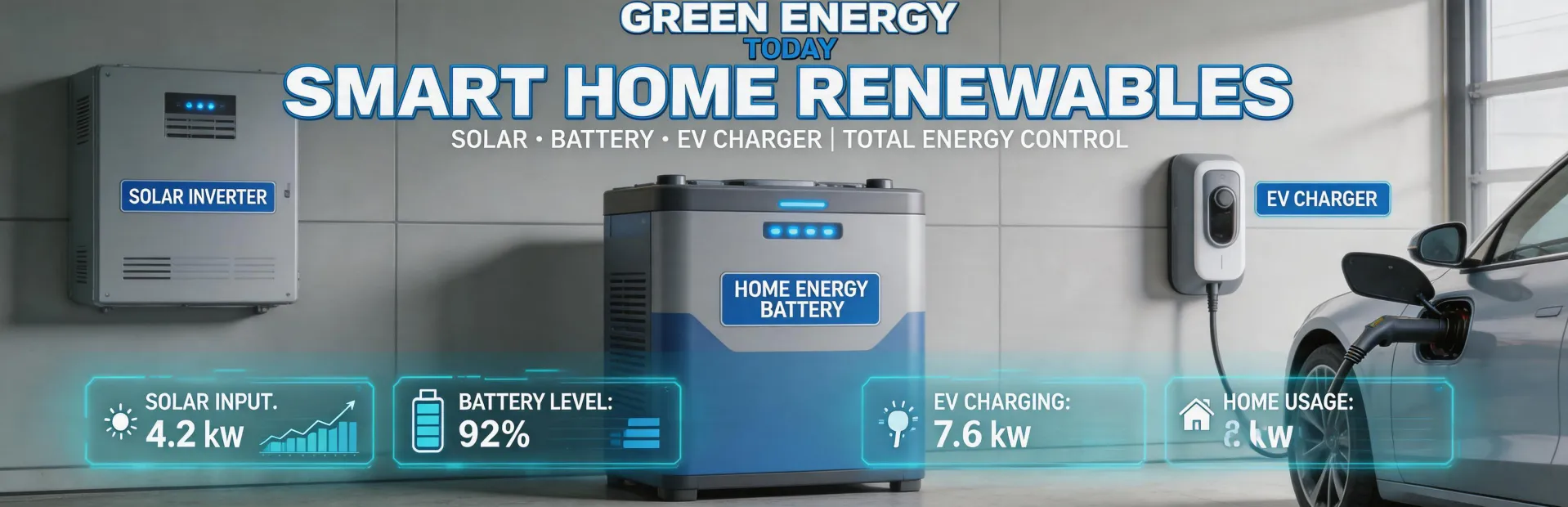
SolarEdge's integrated ecosystem—inverter, battery, EV charger—all logs to one platform. It's not flashy, but it works when you need that audit trail. Period.
But Doesn't a Premium Inflate My Quote?
I know the objection. You're bidding against three other installers, and the client is comparing line items. Here's the hard truth I've learned: the client who buys on upfront cost alone is usually the client who will be a headache about warranty claims two years later.
I've started building an 'assurance cost' into my TCO calculation. It's a soft number, but roughly speaking, I allocate 3% of the quote for 'brand reliability.' On a $200,000 ground-mount system, that's $6,000. If SolarEdge's track record for support (and I've had generally good experiences with their distributor network) shaves even one site visit or one delayed rebate off the project, that $6,000 is recouped.
Take this with a grain of salt, but I've found that offering a SolarEdge-based system often closes deals faster. Commercial clients—especially those with facility managers in house—recognize the brand. They've probably read about it while looking up “fun fact about the solar system” or even “what company makes wind turbines.” It's a trust signal.
The Bottom Line: Ask Better Questions
I'm not saying SolarEdge is the right choice for every job. This worked for us, but our situation was stable grid conditions and clients who value performance data. If you're dealing with a terrain where string inverters make more sense (like a perfectly unshaded south-facing roof), the calculus might be different.
But next time you see a quote for a SolarEdge system, don't just ask, “Is it cheaper?” Ask, “What is the total interruption cost if this component fails?” Ask, “How much time will I spend re-commissioning?” Ask, “Does my client's rebate depend on this data stream?”
The cheapest inverter is the one you only install once.

Jane Smith
I’m Jane Smith, a senior content writer with over 15 years of experience in the packaging and printing industry. I specialize in writing about the latest trends, technologies, and best practices in packaging design, sustainability, and printing techniques. My goal is to help businesses understand complex printing processes and design solutions that enhance both product packaging and brand visibility.