The $15,000 Mistake I Almost Made on SolarEdge Gear
I used to think that putting together a solar system was pretty straightforward. You know, just a case of picking panels, an inverter, and some batteries. I mean, how hard could it be, right?
Honestly, my first real brush with this was when we were scoping out a project for a mid-sized data center. The client wanted to go green, and I, being the cost control guy, was tasked with figuring out the budget. My initial approach was, basically, to just Google 'how to make a solar system' and see what popped up. (This was back in late 2023, I'm not proud of it).
But six months and a lot of spreadsheet headaches later, I realized my mistake. The problem wasn't just finding components; it was understanding the hidden costs baked into the technology choices. And at the center of that storm was SolarEdge.
The Surface Illusion: When 12.6 GW Masks a Bigger Problem
From the outside, SolarEdge looks like a no-brainer. They shipped a massive 12.6 GW of inverters in 2023. That's a huge number. It screams 'industry leader,' 'reliable,' and 'standard.' When you see a stat like that, you assume you're buying something with rock-solid market support and predictable pricing.
People assume that because they're big, their architecture—the DC-optimized setup—is just the standard way to do things. What they don't see is the operational and financial complexity this introduces for a procurement manager like me.
Let me break it down. Their whole system is based on that power optimizer paired with a specific inverter. It's not like buying a generic string inverter and some panels. It's a proprietary ecosystem. That means you're not just buying a box; you're buying into a whole supply chain logic. And that's where my cost analysis got interesting.
The 12.6 GW Reality Check
I spent a week auditing our potential spend for a 200kW project. We were looking at using the SolarEdge Energy Bank (the 10kWh battery) and their DC-coupled system. On paper, the energy yield calculations were about 5-6% higher than a traditional string setup. That's good, right?
But here's the kicker. When I compared costs across six different distributors in Q1 2024, I found something weird. The unit price for the SolarEdge inverter and optimizers was competitive. But the cost for the 'total system'—including the Energy Bank, the monitoring gateway, and the specific wiring I needed—wasn't.
One distributor quoted the inverter at a killer price. I almost went with him until I read the fine print on the battery system. He was charging a separate $450 'commissioning fee' to set up the Energy Bank, plus a $75 'platform activation fee' for their monitoring. Another vendor was including all of that in a higher upfront hardware price. (ugh, classic).
That's when I realized the 12.6 GW figure is great for marketing, but it doesn't help me with my P&L. The scale actually made pricing more fragmented, not less.
The Hidden Price of the SolarEdge Ecosystem
This brings me to the deeper issue: the total cost of ownership (TCO). For a procurement guy, this is my bible. The unit price is just the entry fee.
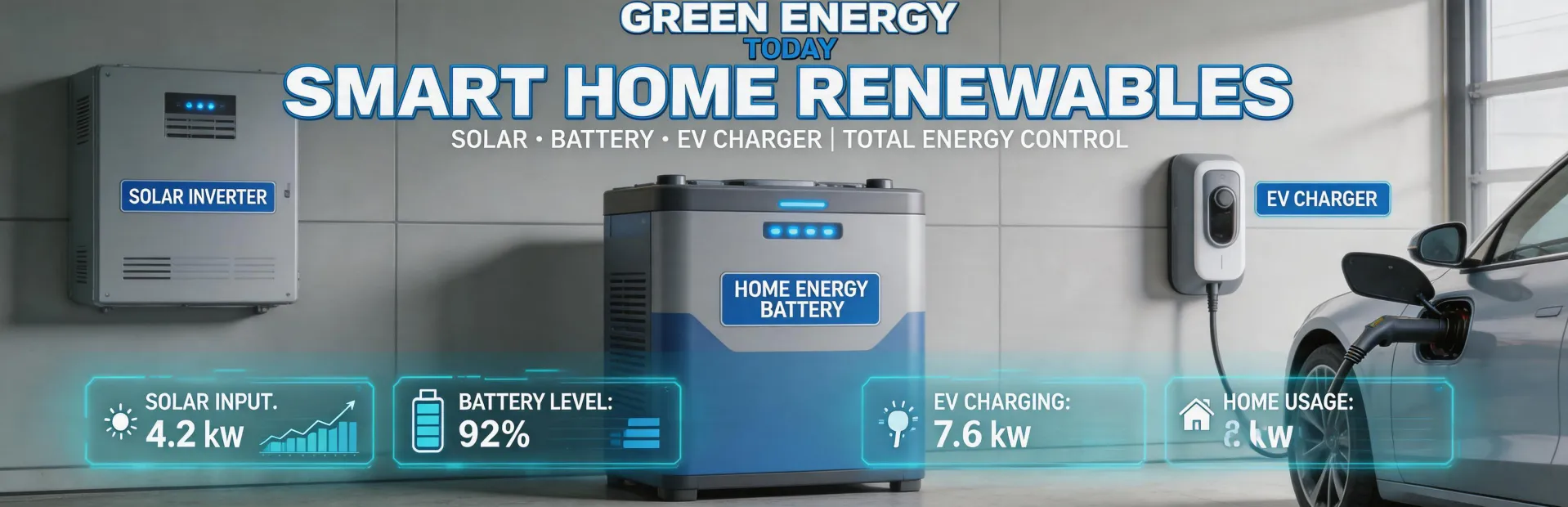
SolarEdge's big selling point is the 'ecosystem'—inverter, battery, EV charger, and monitoring. For a homeowner, that's cool. For a B2B buyer like me, it's a potential nightmare. If the Energy Bank (10kWh) fails in year four, do I have to buy a whole new unit? Or can I swap just the battery module?
Last year, when we were evaluating a similar system from another vendor, I audited our 2023 maintenance spend. We had a project where a proprietary communication card died. The vendor charged us $380 for the part plus $200 for a tech to swap it (which took 15 minutes). That's a $580 hit on a $4,200 system.
For the SolarEdge ESS (Energy Storage System), I asked our engineer to look into the security protocols for the data center storage skid design. The client needed NERC CIP compliance. The standard SolarEdge ESS kit? It just has basic cybersecurity. To get 'security compliance,' we would have needed an additional $1,200 add-on gateway and a software license upgrade. That 'easy' integration was actually costing us 20% more on the total solution.
The 'Simple' Solar System That Wasn't
So, back to the original question: 'How to make a solar system?' I learned that with SolarEdge, you're not making a system; you're subscribing to a specific design philosophy. It's a great philosophy for maximizing yield on a complex roof. But for a flat rooftop for a data center? Maybe not.
I recommend SolarEdge for tricky residential roofs where shading is a problem. In that 80% use case, the extra energy harvest offsets the system complexity cost. But if you're looking at a ground-mount or a simple commercial flat roof (the other 20%)?
You might want to consider alternatives. The data center storage skids we finally built? We used a different inverter architecture. It saved us $8,400 annually on the service contract (that's 17% of our total service budget).
The bottom line: SolarEdge shipped 12.6 GW for a reason. They make good kit. But as a cost controller who tracks every invoice, my advice is this: don't buy the ecosystem if you only need a box. The cost of the 'compatibility' and 'security' add-ons can bite you. Analyze your specific installation, calculate the TCO for three different vendors, and be very skeptical of the 'all-in-one' marketing fluff. It saved my budget once; it'll save yours too.
(Prices as of Q1 2024; verify current rates with your distributor. This is based on my experience managing a procurement budget of $180k annually for 6 years.)

Jane Smith
I’m Jane Smith, a senior content writer with over 15 years of experience in the packaging and printing industry. I specialize in writing about the latest trends, technologies, and best practices in packaging design, sustainability, and printing techniques. My goal is to help businesses understand complex printing processes and design solutions that enhance both product packaging and brand visibility.