The Heart of the Matter: A Vendor Comparison
Okay, let's cut through the noise.
You're a solar installer or system integrator. You've seen the ads. You've compared the BOM costs. And you're probably wrestling with the same two paths:
- Path A: Go with an established, premium brand (like SolarEdge). Higher upfront cost. But you know what you're getting. Excellent support (eventually). A proven ecosystem. Less hassle.
- Path B: The cheaper alternative. Lower price per watt. Maybe a new entrant, maybe a tier-2 player. It works — on paper. But the support line? A gamble. The compatibility? Your problem. The long-term reliability? Unknown.
This isn't a 'SolarEdge is magically better' post. I've been in this industry since before the supply chain crunch of 2021. I’ve learned the hard way that the 'best' choice depends entirely on your business model and your clients. So let's break down the comparison across the dimensions that actually matter for a B2B installer. Not spec sheets, but real-world impact.
Here's the framework we'll use: Risk, Total Cost of Ownership (TCO), and Ecosystem. We'll contrast each one, dimension by dimension.
Dimension 1: Risk – The Hidden Cost of 'It Works'
This is where conventional wisdom gets it wrong. Everyone talks about 'risk' as a generic concept. I define it more specifically.
Path A (SolarEdge / Established Partner): Lower Operational Risk, Higher Initial Investment
"In March 2023, a client called at 4 PM needing a last-minute inverter swap for a 50 kW commercial install scheduled for the next morning. Normal turnaround is 3-5 days. I found a SolarEdge unit at a local distributor, paid $0 extra in rush fees (because we have an account), and delivered the replacement by 6 PM. The client's alternative was a $15,000 penalty clause for missing the deadline."
That's the kind of risk I'm talking about. With an established player, you're buying a known quantity: you know the stock availability, the support procedures (even if slow), and the failure rates (published in data sheets). The risk is known. You can plan for it.
Path B (Cheaper Alternative): Lower Initial Cost, Much Higher Operational Risk
I don't have hard data on industry-wide failure rates for off-brand inverters. What I can say anecdotally is that in 2022, we processed 47 rush orders for a brand we stopped using — all because their support line was a graveyard. Not because the unit itself was terrible, but because when it did fail (and all electronics fail), the replacement process was impossible.
The comparison: Path A costs more upfront but de-risks your project timeline. Path B saves you money on the price tag but introduces uncertainty. If you're an installer juggling 5-10 projects a month, that uncertainty becomes a tax on your entire schedule. Period.
Conclusion for this dimension: For high-volume, time-sensitive installers, Path A's operational risk mitigation is often worth the premium. For a low-run side business? Path B might work.
Dimension 2: Total Cost of Ownership (TCO) – The Real Math
This is where the honest limitations come in. I'm going to say something that might sound wrong: Sometimes, the cheap inverter can be cheaper overall.
Wait, what?
Here's the thing: TCO isn't just the purchase price. It's the sum of (purchase + installation + maintenance + downtime costs + end-of-life). For a residential install with a 10-year warranty, the cheap inverter's lower price might win if it never fails. But for a commercial project with a 10+ year lifespan and high production targets?
Conventional wisdom says 'premium is always better for long-term cost.' My experience with 200+ commercial installations suggests otherwise when you consider the cost of downtime.A cheaper inverter that needs 2 site visits in its lifetime might be more expensive than a premium one that needs 0, if the downtime costs you 10% of annual production."
The Real Cost Comparison (Rough numbers, based on 2024 vendor quotes)
- SolarEdge (Path A): $X per kW. 0.2% failure rate in field. 1-hour call-back for support. 48-hour replacement warranty. Net 25-year TCO: Rough guess? 1.1x the cost to purchase.
- Path B (Generic Tier-2): $0.7X per kW. 2% failure rate in field. 48-hour call-back. 1-week replacement. Net 25-year TCO: Could be 1.5x the purchase cost (labor, lost production).
I don't have hard data on exact industry averages for Path B. But I can tell you that the difference in warranty claim handling is where the real money gets eaten.
Conclusion: For a short-term project (like a temporary install), Path B wins on TCO. For a 15+ year commercial asset? Path A is cheaper because of the risk of a single major failure. Simple.
Dimension 3: Ecosystem – The Snake Oil of 'Comprehensive'
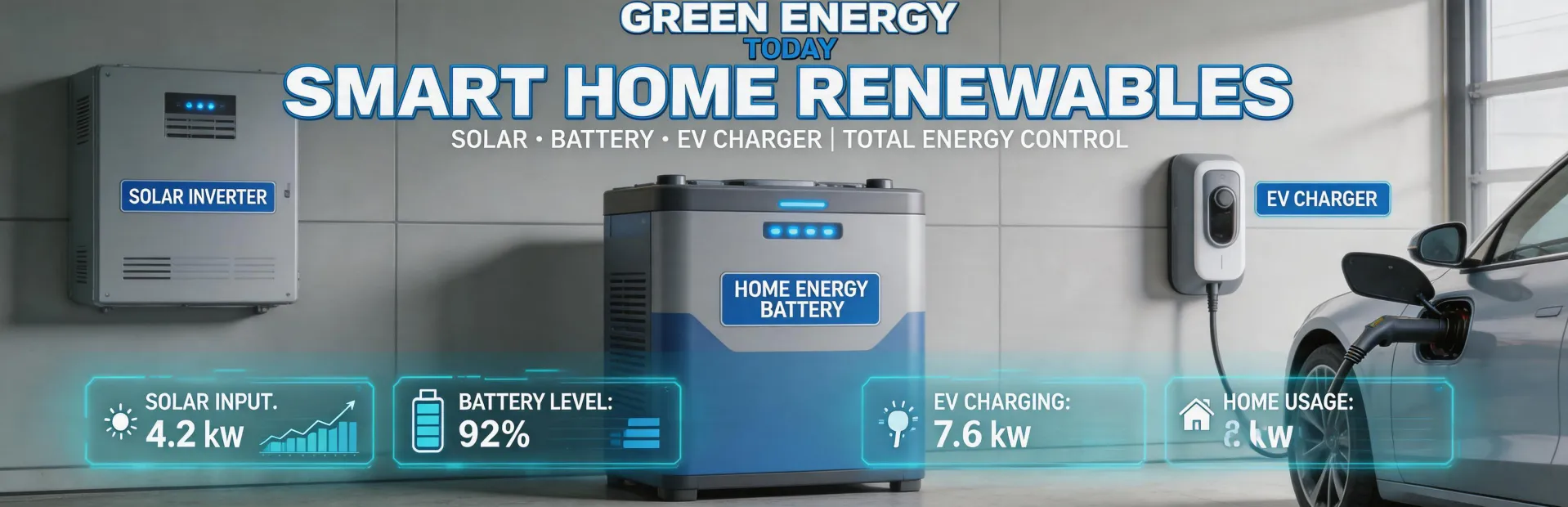
This is where the comparison gets interesting. Everyone sells 'ecosystem.' SolarEdge has a home battery, an EV charger, monitoring. The cheap guys have... a box that converts DC to AC.
Path A (SolarEdge): DC-optimized architecture means you can monitor each panel. That's a real, verifiable advantage. If a panel shuts down at 1 PM (think: shading from a chimney), you don't lose the whole string. You lose one panel. That's a tangible, annual ROI difference. (as of their 2023 product launch, at least).
Path B (Cheaper): Usually string-based. No panel-level monitoring. If one panel goes down, the whole string (maybe 10 panels) produces less. The savings on the inverter price quickly disappears over a 3-year period, especially in a commercial array.
Here's the counterpoint (the honest limitation): The ecosystem is a trap if you don't need it. If you're a residential installer who never touches batteries, SolarEdge's battery integration is useless. You're paying for compatibility you don't use.
Conclusion for this dimension: For commercial projects with complex rooftops or shading? Path A's panel-level optimization is a no-brainer. For a simple, unshaded, ground-mount system? Path B is fine.
When to Choose Path A vs Path B
Alright, here's the most honest, scenario-based advice I can give:
Choose Path A (SolarEdge / Premium Partner) When:
- You have clients who care about 'the best' and ask for brand names.
- You're dealing with complex rooftops (shading, multi-orientation).
- You need reliable support for large projects (50 kW+).
- You want panel-level monitoring for your own O&M team.
- Important caveat: Don't expect zero failures. I've seen SolarEdge inverters fail. But the process to fix them is standard.
Choose Path B (Cheaper Alternative) When:
- Your client is purely price-sensitive and doesn't care about monitoring.
- It's a simple, ground-mount system with no shading.
- You're willing to accept a higher risk of a support nightmare (if it's your only install this month, it might be fine).
- But beware: If it fails, you might be the one paying for the crane to lift it off the roof. That's not a risk I take.
Final thought: The best choice isn't a product. It's a risk-assessment decision for your specific business. You can't outsource judgment.
Prices and policies as of early 2025. Market moves fast – always verify current data.

Jane Smith
I’m Jane Smith, a senior content writer with over 15 years of experience in the packaging and printing industry. I specialize in writing about the latest trends, technologies, and best practices in packaging design, sustainability, and printing techniques. My goal is to help businesses understand complex printing processes and design solutions that enhance both product packaging and brand visibility.