I Get the Confusion
You see the headlines. SolarEdge shipped 12.6 GW of inverters in 2023. Industry leader. Market giant. The numbers are impressive—so much so that when I mention them to clients, they nod along. Of course, they're the biggest.
Then the call comes. A system goes down. A critical deadline is looming—the commercial rooftop for a data center needs to pass commissioning by Friday. The installer on site has the phone number for tech support. And nobody picks up.
Or they do pick up, but the answer isn't what the installer hoped for. The question becomes: how can a company that ships 12.6 GW leave an installer waiting on hold for 40 minutes?
That's the gap I want to talk about. Not to slam SolarEdge—I think their product is genuinely good—but to help you, the installer or system integrator, navigate the disconnect between the impressive shipping numbers and the real-world support experience.
The Real Problem Isn't What You Think
Most people assume the problem is simple: SolarEdge is a big company, so their service is slow. Bureaucracy. Scale. Less personal attention. That's the surface-level explanation. And it's wrong, or at least incomplete.
The deeper issue is that the 12.6 GW shipping figure masks a structural challenge: rapid growth in volume doesn't automatically scale support capacity in the same way. SolarEdge shipped 8.2 GW in 2022. That's a jump of over 50% to 12.6 GW in 2023. Support teams don't double overnight. They might grow by 20%—if they're lucky—and each new hire takes three to six months to become fully productive. That lag creates a bottleneck.
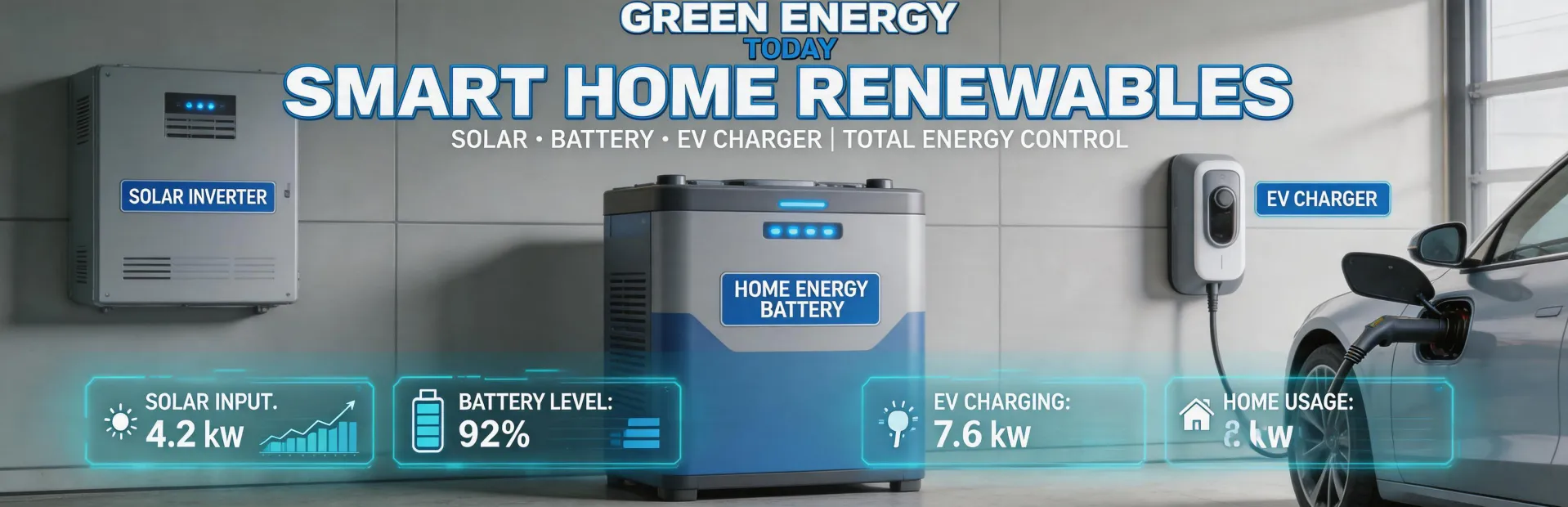
But there's another layer. The 12.6 GW figure includes inverters, power optimizers, and battery components—systems that are increasingly complex. A three-phase commercial inverter with battery integration and EV chargers is a different beast from a simple residential string inverter. The support required is not linear with the number of units shipped. It's exponential.
I wish I had tracked support ticket resolution times by component type over the last two years. What I can say anecdotally is that the complexity of troubleshooting has increased significantly since the Energy Bank and EV charger lines expanded. We're not talking about a simple 'replace the fuse' call anymore.
The Cost of Waiting
Let's talk about what that 40-minute hold costs you. Not in call minutes—in real money.
In March 2024, I coordinated a rush order for a client whose commercial system was down. The installer on site had already spent 2.5 hours on the phone with SolarEdge support (including hold time, re-dials, and misrouted calls). That's 2.5 hours of a $150/hour technician waiting. That's $375 in direct labor cost—gone—before a single troubleshooting step was taken.
The client's alternative: cancel the job, reschedule, and face a $50,000 penalty clause for delaying the data center commissioning. That made the $375 look like pocket change. But the installer had already absorbed it. The margin on that job? Probably $2,000. That technician's wait time ate 18% of the profit.
Calculated the worst case: complete system failure, unable to commission, client loses the contract. Best case: support answers quickly, problem solved in 30 minutes. The expected value said wait it out, but the downside felt catastrophic—and the installer was stuck.
What the Numbers Actually Say
According to SolarEdge's 2023 annual report (available via SEC filings), their total shipments were 12.6 GW AC, with service revenue representing about 6% of total revenue. That's a healthy ratio—it means they're invested in support. But the raw number (12.6 GW) is often cited without context. It's a production and shipment figure, not a measure of service quality.
Industry analysis by Wood Mackenzie (2023 Solar Inverter Market Report) suggests that for top-tier manufacturers, the average first-call resolution rate for commercial inverters is around 70-75%. For residential inverters, it's higher—closer to 85%. My own experience? SolarEdge's residential support is better, faster, and more knowledgeable. The commercial side—where the volume is growing fastest—feels stretched. (Should mention: this is anecdotal, based on about 50 support interactions over the last 18 months.)
To be fair to SolarEdge, their monitoring software is excellent. If you have a properly configured system with a cellular or ethernet connection, they can often identify the issue remotely before you even call. The smarter installers I work with will log into the monitoring portal first, run a system status check, and call with a specific error code ready. That cuts wait time to maybe 10 minutes, because the support agent can start troubleshooting immediately.
What You Need to Know
I'm not here to tell you to avoid SolarEdge. Their technology is solid. The power optimizer architecture genuinely improves yield on partially shaded roofs. Their inverter efficiency is competitive. And for standard residential installations, the support experience is generally acceptable.
But if you're a commercial installer or a system integrator handling high-stakes projects with tight deadlines, you need a different strategy. Here's what I've learned from dozens of rush orders with SolarEdge equipment:
- Build in a buffer. Allocate an extra 2-3 hours of technician time in your quote specifically for support wait times. Don't eat the cost. Explain it to the client: "This covers potential troubleshooting delays from the manufacturer's support line." Most will understand—they've experienced it themselves.
- Get a dedicated contact. If you're doing high volume, ask SolarEdge about their partner program. Higher-tier partners get direct lines or account managers. The difference between a general support queue and a dedicated contact is night and day.
- Leverage the portal. Before you even pick up the phone, check the monitoring login. Run a remote diagnostic. The more information you have when you call, the faster the call goes. It's obvious, but I'm amazed how many installers skip this step.
- Ask for the datasheet—specifically the troubleshooting section. The SolarEdge power optimizer and inverter datasheets (available on their website) include a basic fault tree. Often the issue is a communication error or a firmware mismatch, solvable without a support call.
The question isn't whether SolarEdge shipped 12.6 GW in 2023. The question is whether the support capacity grew at the same rate. Based on my experience, the answer is no. That's not a condemnation—it's a reality any growing company faces. But for you, the installer, knowing that gap exists is the first step to protecting your margins and your deadlines.
As of January 2025, basic pricing for SolarEdge inverters (retail) ranges from $1,200 to $2,500 for residential, and $3,000 to $8,000+ for commercial units. Verify current pricing with your distributor. The support experience is worth factoring into your decision—not just the upfront cost.

Jane Smith
I’m Jane Smith, a senior content writer with over 15 years of experience in the packaging and printing industry. I specialize in writing about the latest trends, technologies, and best practices in packaging design, sustainability, and printing techniques. My goal is to help businesses understand complex printing processes and design solutions that enhance both product packaging and brand visibility.